
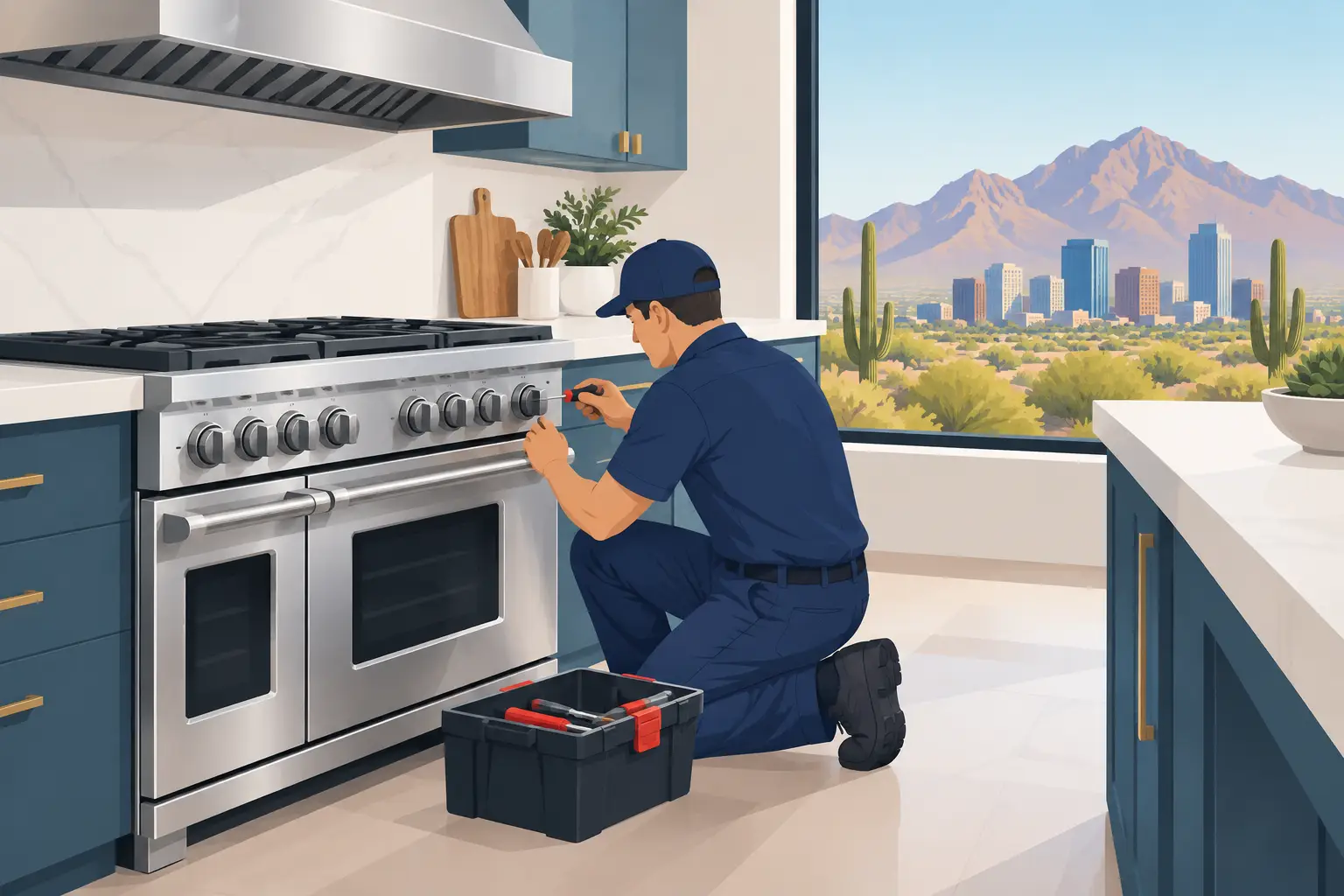
A Viking range is built to be the center of a serious kitchen. When a burner clicks without lighting, an oven takes twice as long to preheat, or the display goes dark before dinner, the disruption is immediate. Professional Viking range repair restores more than an appliance – it brings back the control, safety, and consistency you expect from a luxury cooking suite.
Viking ranges are powerful, durable machines, but their performance depends on several systems working together: gas delivery, ignition, electrical controls, heating elements, ventilation, and temperature sensing. A symptom that seems small can point to a problem that needs accurate diagnosis, especially on a gas, dual-fuel, or built-in model.
When Viking Range Repair Is the Right Call
Not every cooking issue means a major repair. A burner cap that is slightly out of position can prevent proper ignition, and surface debris may affect burner performance. But repeated failures, unusual behavior, or any concern involving gas should not be treated as a trial-and-error project.
A qualified technician can determine whether the issue is limited to a replaceable component or involves the range’s gas supply, wiring, control board, or oven calibration. That distinction matters. Replacing the wrong part can add expense without solving the problem, while delaying a genuine safety concern can put your household at risk.
Burners That Click but Will Not Ignite
Continuous clicking is one of the most familiar gas range complaints. In some cases, moisture around the igniter or burner cap is the cause. After a boil-over or thorough cleaning, allowing the cooktop to dry completely may resolve the issue.
If the clicking continues after the area is dry, or if one or more burners will not spark at all, the problem may involve a failed spark igniter, ignition switch, spark module, wiring connection, or a blocked burner port. Viking burners require correct assembly and clean gas ports to produce an even flame. A technician can inspect the full ignition system instead of assuming the visible igniter is the only issue.
Weak, Uneven, or Yellow Burner Flames
A properly operating gas burner should produce a steady blue flame with an even pattern around the burner. A yellow flame, delayed ignition, lifting flame, or flame that only appears on one side can affect cooking results and may signal restricted burner ports, improper burner placement, or a gas-flow issue.
Do not use a sharp object to aggressively clear burner openings. That can enlarge or damage the ports and change how the burner performs. If cleaning and correctly reinstalling removable burner components does not correct the flame, schedule service. Accurate gas and air adjustment is not a place for guesswork.
An Oven That Does Not Heat Correctly
Viking ovens can develop heating problems gradually. You may first notice cookies browning too quickly on one side, a roast taking longer than expected, or an oven that needs multiple preheat cycles. Eventually, the oven may stop heating altogether.
On gas ovens, possible causes include a weak glow igniter, a faulty bake or broil igniter, a gas valve issue, or a failed temperature sensor. On electric ovens, a burned-out heating element, damaged wiring, relay problem, or electronic control failure may be responsible. Dual-fuel ranges add another layer because the cooktop and oven use different fuel sources and systems.
An oven temperature test can reveal that the display setting and actual cavity temperature do not match, but the repair depends on why. Recalibration may help in some situations. In others, a sensor, element, or control component needs repair or replacement.
Safety Comes Before a Quick Fix
A range problem can interrupt meals, but a gas-related concern deserves immediate attention. Turn off the range and avoid using it if you smell gas, hear hissing near the appliance, see a flame behaving abnormally, or suspect a leak. Do not light a match, operate electrical switches nearby, or try to locate the leak yourself. Follow your gas utility’s safety instructions and arrange professional assessment.
Electrical symptoms also need caution. A tripped breaker that immediately trips again, visible scorching, a burning odor, or a display that flickers with other electrical problems can indicate a wiring or component issue. Unplugging the range may be appropriate only if it can be done safely and without moving a heavy built-in appliance or disturbing a gas connection.
There are a few sensible checks homeowners can make before arranging service: confirm the range has power, make sure burner caps are seated correctly, remove visible food debris once the surface is cool, and verify that the gas shutoff valve has not been turned off. Beyond that, internal disassembly is usually not worth the risk.
Why Viking Ranges Need Brand-Specific Diagnosis
Viking equipment is designed differently from a standard freestanding range. Its high-output burners, heavier components, specialized oven controls, and installation requirements make experienced diagnosis especially valuable. The right repair is not simply replacing the part most often associated with a symptom.
For example, an oven that will not preheat could have a weak igniter, but it could also have a sensor reading problem, a control-board issue, a damaged connector, or a power-supply concern. Replacing an igniter without testing the surrounding system may leave the original issue unresolved. The same is true when a burner fails to light: the burner head, electrode, switch harness, spark module, and gas flow all need to be considered.
A certified technician should inspect the appliance model, verify the reported symptom, test relevant components, and explain the recommended repair in plain language. This approach helps homeowners make a practical repair decision based on the range’s condition, the nature of the failure, and the value of keeping a premium appliance in service.
What to Expect During a Service Visit
A productive Viking range repair visit begins before the technician arrives. Note whether the issue affects one burner or all burners, whether it happens every time, and what you see or hear when it occurs. If the oven temperature seems wrong, record the selected temperature, how long it takes to preheat, and whether food is consistently undercooked or overcooked.
Clear a safe path to the appliance and remove cookware from the range. For a built-in or slide-in unit, access behind the range may be limited, so the technician may need room to safely inspect connections and components. Avoid pulling the appliance forward yourself if it is heavy or connected to gas.
After diagnosis, the technician can explain the failed component, the repair options, and whether additional wear or installation concerns are present. Some repairs can be completed the same day when parts and scheduling allow. Others require a return visit because luxury appliance components may need to be ordered for the correct model.
Repair or Replacement: What Makes Sense?
A well-maintained Viking range often has many years of useful life left, so a single failed igniter, heating element, sensor, switch, or control component does not automatically justify replacement. Repair is commonly the sensible choice when the cabinet fit, cooktop configuration, and overall condition of the range still meet your needs.
Replacement becomes a stronger consideration when there are multiple major failures, extensive corrosion or damage, ongoing reliability problems, or repair costs that approach the value of a comparable replacement. Built-in dimensions, ventilation requirements, gas type, electrical configuration, and countertop cutouts can also make replacement more involved than it first appears. A clear diagnosis gives you the information needed to decide without pressure.
Keep Your Range Performing Between Repairs
Regular care can prevent some service calls and protect the finish of a high-end range. Clean spills after the surface has cooled, keep burner caps and grates properly seated, and avoid soaking igniters or flooding the cooktop with cleaner. Use cookware that sits stable on the grates, and avoid dragging heavy pans across finished surfaces.
For ovens, wipe up spills before they bake onto the cavity, use the self-cleaning function only according to the model instructions, and pay attention to changes in preheat time or temperature accuracy. Small changes are easier to diagnose before they turn into a complete no-heat failure.
When your range stops working as it should, prompt service can protect your kitchen routine and prevent a manageable issue from becoming more disruptive. Hillside Appliance Services helps Phoenix-area homeowners get clear answers and dependable repairs for Viking and other luxury kitchen appliances, with respect for your home, schedule, and investment.